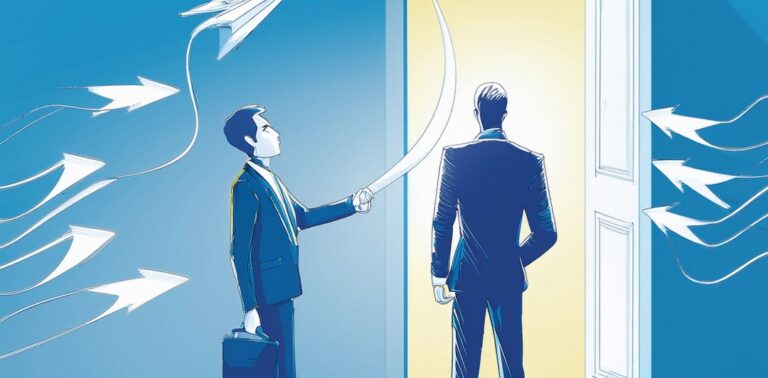
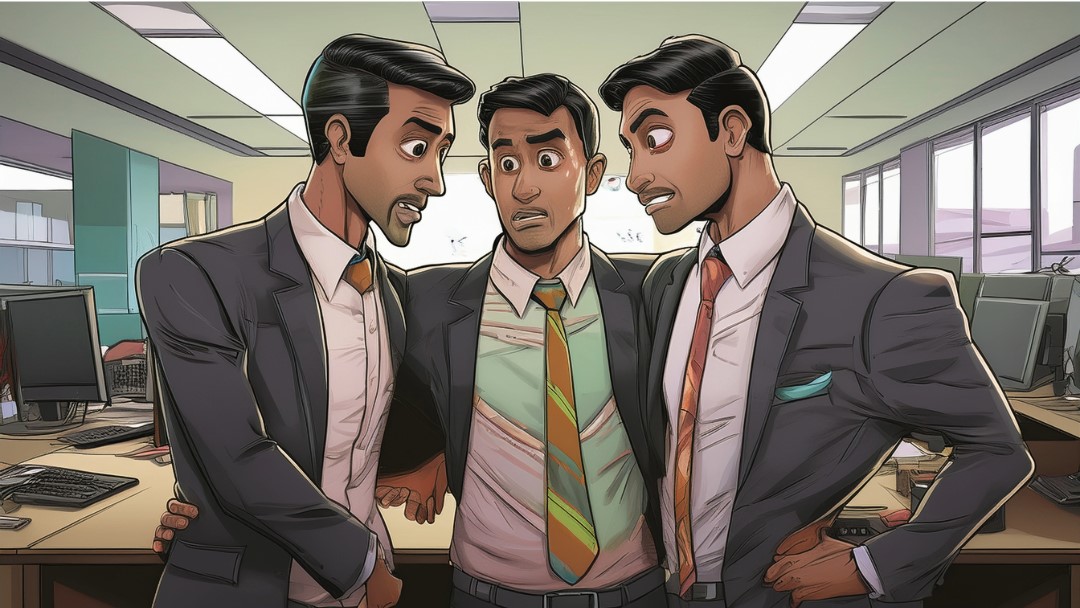
Struggled to create a cohesive team due team members who had trouble getting along
Senior Executive who worked in an MNC, and had frequent quarrels with his colleague. The client regularly experienced interpersonal conflicts, misunderstandings and differences of opinion. He then specified that it was predominantly with one member in the team that he had constant issues with.
They lacked the trust and skills to resolve issues with one another in a healthy way, and over time, they resorted to communicating as little as possible with each other; every once in a while, they had small “blow-ups” at work followed by long periods of silence.
(A team leader struggled to create a cohesive team due, largely, to two team members who had trouble getting along.)
Client To be able to better understand his team member and be able to listen to his opinions without prejudice.
The unresolved conflict between these two colleagues was apparent to everyone on the team, and the result was a collection of wasted energy, as well as different “factions” who quietly sided with each person.
In my experience, this situation is common and needs to be dealt with separately and should precede any traditional “team-building” session that includes everyone on the team.
In anticipation of mediation, I spoke with the leader, along with the two individuals involved in the conflict, to understand perspectives as well as the effect the conflict was having on relationships, process, and work results.
I then facilitated a series of three mediated conversations with the two team members in our office. These mediated conversations were aimed at “clearing the air” about a series of unresolved conflicts and misunderstandings from the past, and we also introduced some key concepts related to conflict resolution and having difficult conversations.
In between mediated sessions, I conducted a few focused coaching sessions with each individual aimed at helping them become more aware of their own roles in having co-created the relationship. I challenged each person to change key attitudes and behaviours to support a healthier relationship moving forward.
Outputs
After some initial resistance and defensiveness, both individuals began to realize that they were hurt, angry and had unmet needs in the working relationship.
Mediated conversations resulted in a clearing of the air, such that conflicts in the past were left in the past, and the pair were able to move forward, albeit with some caution, into a new way of relating.
Each individual recognized their part in the conflict, and experimented with new ways of communicating, free of blame, gossip, or punishment, aimed at bettering the relationship.
The pair reported feeling more engaged and happier at work, and all team members reported having more energy as a result of the resolution of a long-standing bottleneck.
The leader reported a greater sense of trust in the collaboration present amongst the group. A lot of transactional analysis concepts were used as a lens to view many situations.